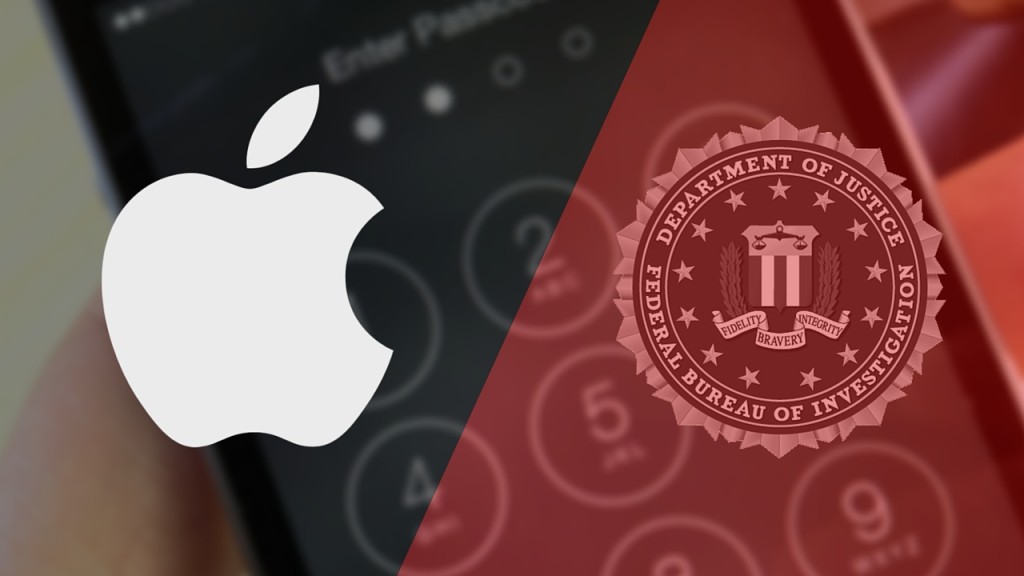
 Apple is locked in a deadly fight with the FBI over the unlocking dispute of the iPhone 5c that was used by Syed Farooq, the alleged shooter in the san Bernardino case that left 14 people dead and 22 injured.
The problem is that to gather the information from the iPhone 5c, it needs to be unlocked. Nobody has the passcode. If 10 consecutive wrong passcodes are entered, the iPhone will erase all the data. Now FBI wants Apple to build a special iOS operating system so that it can bypass the security features and unlock the phone that would otherwise take 10 years to unlock given the time gap between each entry of the passcode.
Even if the cloud account is hacked, the data contained is encrypted. Even Apple doesn’t have the keys to unlock the data.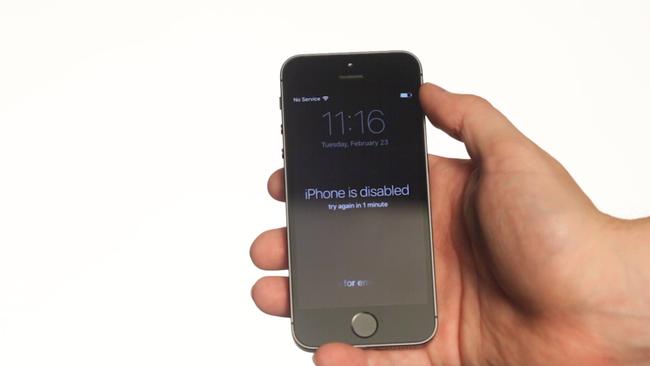
Now Apple is resisting the law of hand by stating the reason that creating a backdoor of an iPhone will eventually create a backdoor for every iPhone in existence. This is the cancer equivalent of software that could destroy the privacy of hundreds of millions of people while giving the hackers access to sensitive data.
Other tech giants such as google, Microsoft, Facebook have supported Apple in this fight stating that encryption is important in maintaining the privacy of a consumer.
But Samsung is staying mull on this issue. It hasn’t clearly backed Apple in this case that is dubbed as the most important fight of the century that could decide the fate of billions of tech users. Samsung has been fighting Apple in the courtroom for years now in the dreaded patent battle that seems to go nowhere.
“Ensuring trust in our products and services is our top priority,” the company said in its statement to Bloomberg. “Our phones are embedded with encryption that protects privacy and content, and they do not have backdoors. When required to do so, and within the law, we work with law enforcement agencies. However, any requirement to create a backdoor could undermine consumers’ trust.”