Apple pay’s woes continue as Samsung tries to fill the huge void left by apple.
Reportedly the launch of apple pay is not going as smoothly as planned by apple with major Australians banks refusing to accept the terms set by apple. They feel that cut that apple is asking for the transactions is a dent to their vaults.
The transaction fee charged by the banks in America is $1 per $100 and apple is taking 15¢ if the transaction s is done through apple pay. The difficulties arise when apple wants the same amount even in Australia where the banks transaction fee is 50¢ per $100. The major banks aren’t willing to share such an amount with apple and wants the fee to be at about 7¢ per $100.
Another reason being that wireless payment is already available in Australia for about 2 years now. The prospectus of apple pay is exciting but isn’t new to the banks.
Commonwealth Bank of Australia chief executive Ian Narev said that
“CBA had already offered the same functionality as Apple Pay through its app – for users of Android phones – for two years, so it was difficult for Apple to argue it is providing much value. In the US, Apple Pay was innovative because tap-and-go was not a feature of that market.”
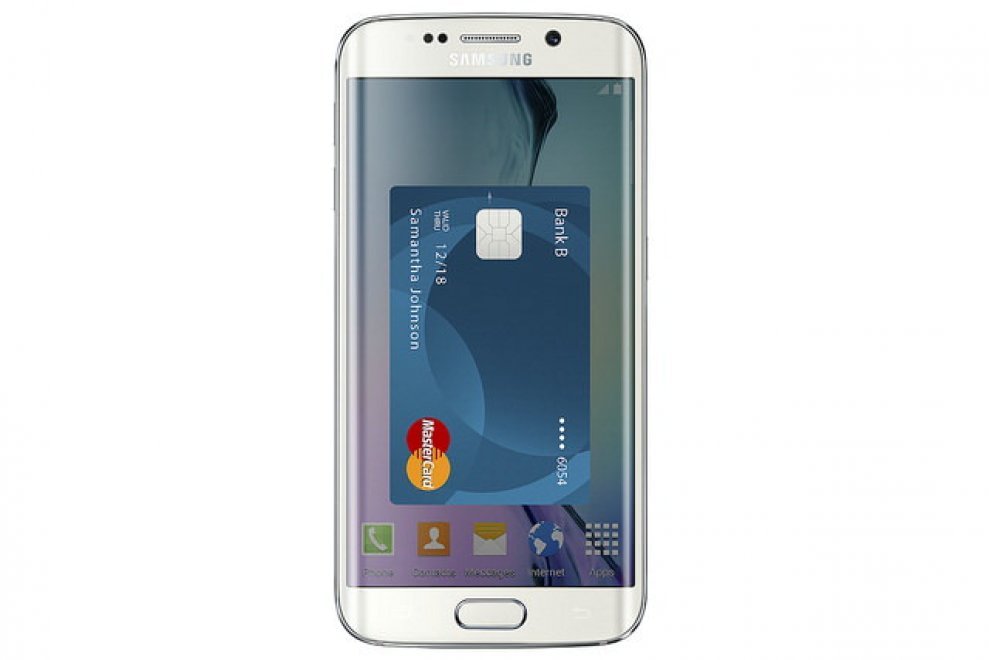
In another mobile payment news, Samsung pay is about to get big despite tough competition from Google’s own android pay and apple pay. Samsung’s key to success lies in the fact that Samsung pay works with the normal card swiping machine that is available in almost every store unlike apple pay which requires separate NFC payment machine.
Samsung pay uses a method called as “magnetic secure transmission” which allows the transaction to be made by replicating the magnetic strip on the credit card. The ease of use is similar to the apple pay but the potential it offers is almost limitless as it works with the existing method without any separate equipment.
Samsung pay launches tomorrow in South Korea and on sept 28th in the U.S.